
Military & tactical medics
The litter that stays on the operator
Litters get cached at the objective rally point or strapped to the vehicle, because nobody humps a full litter on every mission. The Pocket Litter weighs 2.5 lb and fits a cargo pocket, so it is on the body when someone goes down. One operator drags the casualty off the X and to the casualty collection point.
The problem
Point of injury to CCP is the hardest leg
The first movement of a casualty happens under the worst conditions: under threat, in a confined space, with the gear you are wearing and nothing else. Doctrine calls for moving the casualty out of the immediate danger area first. In practice that often means a drag by the drag handle, the arms or the collar, with no protection for the spine and nothing between the casualty and the ground.
A full litter solves the carry. It does not solve the first 50 meters, because it isn't there yet.
The Pocket Litter is built for that leg. Pull it, deploy it in under 10 seconds, strap the casualty in and move. When you reach the CCP, the vehicle or the landing zone, transfer to a full litter for the evacuation.
Why units carry it
- Weight budget friendly. 2.5 lb, about the weight of a full one-quart canteen.
- Pocket carried. 6 × 9.25 × 1.75 in packed. Cargo pocket, dump pouch or pack.
- One operator can move a casualty. Keep the rest of the team on security.
- Spine and torso support. Stiffeners and a central hub, not just fabric.
- Built for confined spaces. Trenches, stairwells, hallways and vehicle interiors.
- Scales up. Converts to a carry for 2 to 10 rescuers when the team frees up.
- Load tested to 400 lb. Casualty, plate carrier, helmet and kit.
Where it fits
Use cases in the tactical environment
Off the X
One operator drags the casualty out of the line of fire to cover, without waiting for the litter team.
Confined spaces
Narrow trenches, stairwells, doorways and hallways where a rigid litter can't turn.
Casualty collection
Move the casualty to the collection point, then hand off to a full litter for evacuation.
Vehicle extraction
Pull a casualty out of a vehicle and away from it when the vehicle is the threat.
Casualty drills
Reusable. Build it into casualty movement drills so the first real use is not the first use.
Tactical teams
SWAT, tactical EMS and rescue task forces moving a downed officer or civilian out of the hot zone.
New to the terms? Read CASEVAC vs MEDEVAC: what's the difference.
Proven in the field
Used in Ukraine
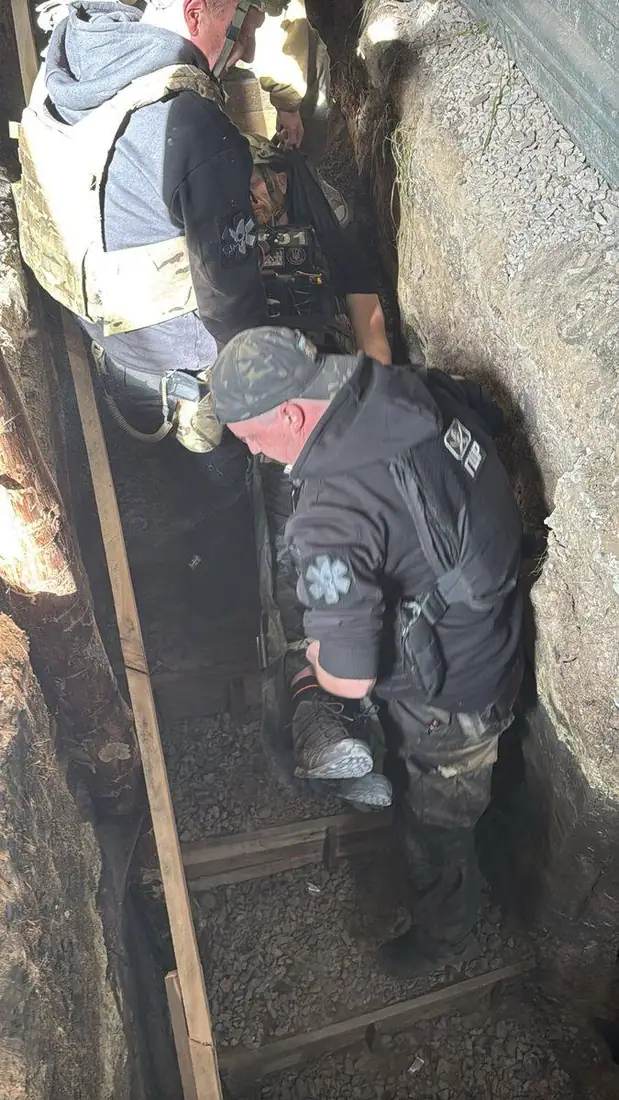
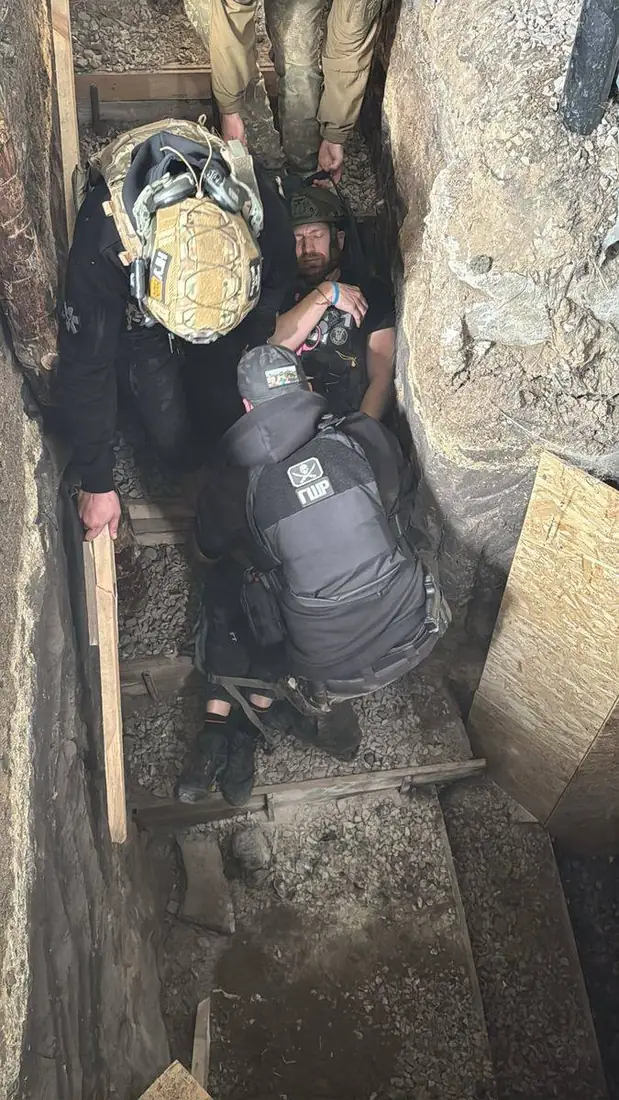
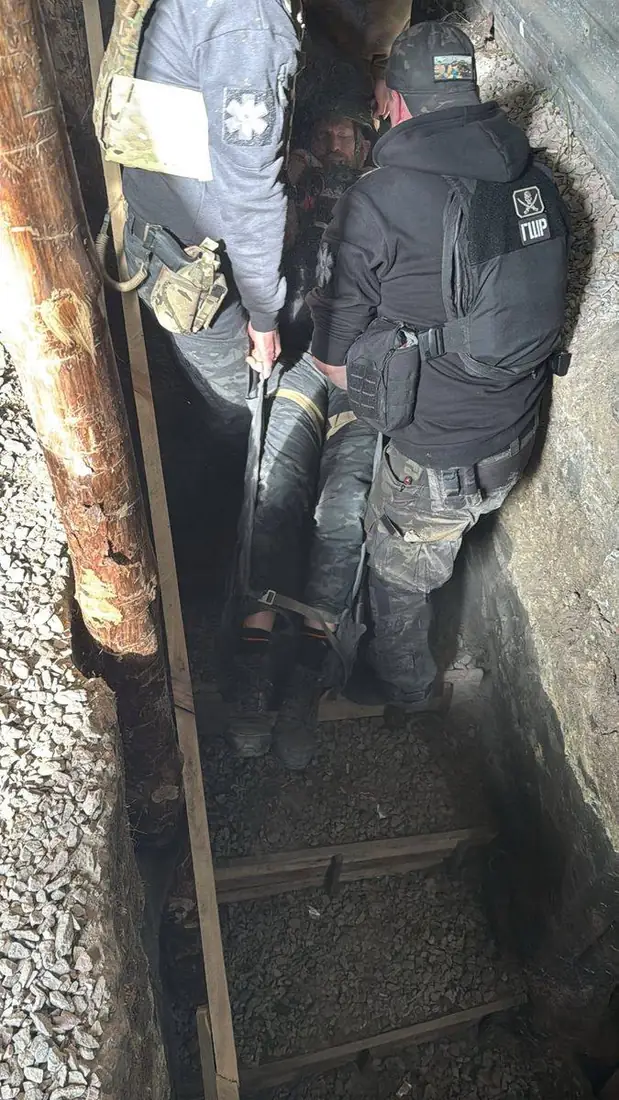
The Pocket Litter has been used in Ukraine to move casualties through narrow trench systems, the exact environment where a rigid litter becomes a liability.
Specs
At a glance
| Weight | 2.5 lb (3 lb in the carry bag) |
|---|---|
| Deployed size | 85.5 in long head to toe, 29.5 in wide at the head tapering to 19.5 in at the feet |
| Packed size | 6 × 9.25 × 1.75 in |
| Load tested | 400 lb |
| Deployment | Under 10 seconds |
| Carry modes | 1-on-1 drag or carry, or a team carry with 2 to 10 rescuers |
| Designed by | Retired Green Beret Lieutenant Colonel |
Military FAQ
Questions from medics and units
Where does the Pocket Litter fit in casualty movement?
It covers the move from the point of injury to cover or to the casualty collection point, the leg where a full litter usually isn't available yet. From the CCP, the casualty transfers to a full litter or vehicle for CASEVAC or MEDEVAC.
Does it replace a SKED, Talon or other full litter?
No. It complements them. The full litter stays on the vehicle or at the CCP for the long carry. The Pocket Litter is the piece that is on the operator at the moment of injury.
How is it carried?
It packs to 6 × 9.25 × 1.75 in, so it fits a cargo pocket, a dump pouch or the outside of an assault pack.
Can it move a casualty in body armor?
Yes. It is load tested to 400 lb, which covers a large casualty wearing plates, helmet and kit.
How can our unit buy it?
Request a unit quote with quantity and timeline. We accept government purchase orders, the Government Purchase Card (GPC) and federal tax-exempt orders. There is no NSN or GSA Schedule listing yet. You can also buy through authorized resellers Vitac Solutions and SupplyCore.
Equip the team before you need it
Government purchase orders, GPC and live demos for medics and trainers.